
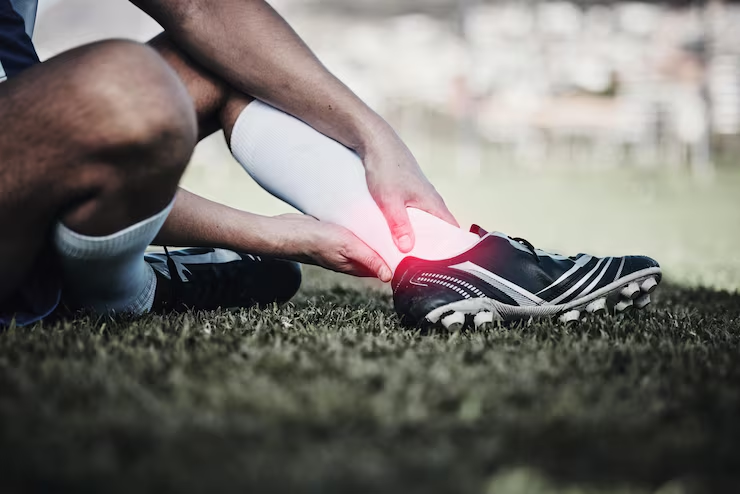
When Should You See a Physiotherapist for a Sprain or Strain?
Sports and recreational activities are a big part of life in Brookswood, Langley. Whether you enjoy soccer, running, gym workouts, basketball, or weekend hiking, staying active is essential for maintaining a healthy lifestyle. However, physical activity also increases the risk of sports injuries, especially if muscles or joints are overloaded.
At Brookswood Plus Physiotherapy, physiotherapists regularly treat sports injuries using evidence-based treatments such as cold laser therapy, therapeutic ultrasound, physiotherapy taping, icing protocols, and rehabilitation exercises. Early treatment helps athletes recover faster, reduce pain, and prevent long-term complications.
In this blog, we will discuss the top 7 most common sports injuries treated by physiotherapists in Brookswood, Langley and when you should seek physiotherapy care.
1. Ankle Sprains
Ankle sprains are among the most common sports injuries, especially in sports involving jumping, cutting, and quick direction changes such as basketball, soccer, and volleyball.
An ankle sprain occurs when the ligaments supporting the ankle are stretched or torn due to twisting or rolling of the ankle.
Common Symptoms
- Sudden pain around the ankle
- Swelling and bruising
- Difficulty walking or weight bearing
- Reduced ankle stability
Physiotherapy Treatment
At Brookswood Plus Physiotherapy, treatment may include:
* Cold laser therapy to reduce inflammation and promote tissue healing
* Therapeutic ultrasound to stimulate blood circulation
* Ankle taping or bracing to stabilize the joint
* Icing protocols to control swelling
* Progressive strengthening and balance exercises
Early physiotherapy treatment significantly reduces the risk of chronic ankle instability.
2. Knee Ligament Injuries
Knee injuries are common in sports involving running, jumping, and sudden stops. Ligaments such as the ACL, MCL, and LCL can become sprained during sports accidents or awkward landings.
Symptoms
- Knee swelling
- Pain while bending or straightening the knee
- Knee instability or giving way
- Difficulty walking or running
Physiotherapy Treatment
Physiotherapists use several techniques to accelerate recovery:
* Cold laser therapy to support ligament healing
* Therapeutic ultrasound to reduce inflammation
* Knee taping techniques for joint stability
* Strengthening exercises for quadriceps and hamstrings
* Functional sports rehabilitation
Physiotherapy also helps prevent re-injury and improve knee stability.
3. Hamstring Strains
Hamstring injuries are extremely common in running, soccer, sprinting, and field sports.
A hamstring strain occurs when the muscle fibers in the back of the thigh are overstretched or torn.
Symptoms
- Sudden sharp pain in the back of the thigh
- Muscle tightness
- Swelling or bruising
- Difficulty running or bending the knee
Physiotherapy Treatment
Recovery usually includes:
* Cold laser therapy to speed muscle repair
* Ultrasound therapy for deep tissue healing
* Icing therapy during the acute phase
* Gentle stretching and progressive strengthening
* Gradual return-to-sport training
Proper physiotherapy rehabilitation reduces the risk of recurrent hamstring injuries.
4. Shoulder Rotator Cuff Injuries
Athletes participating in tennis, swimming, baseball, volleyball, or weightlifting frequently develop rotator cuff injuries.
These injuries affect the muscles and tendons that stabilize the shoulder joint.
Symptoms
- Shoulder pain during lifting
- Weakness in the arm
- Pain while sleeping on the shoulder
- Limited shoulder mobility
Physiotherapy Treatment
Treatment often includes:
* Cold laser therapy to reduce inflammation in tendons
* Ultrasound therapy to stimulate tissue repair
* Shoulder stabilization exercises
* Kinesiology taping to support the shoulder joint
* Posture correction and movement retraining
Physiotherapy plays a crucial role in restoring shoulder strength and mobility.
5. Tennis Elbow (Lateral Epicondylitis)
Tennis elbow is a repetitive strain injury affecting the tendons on the outside of the elbow. Despite its name, it commonly affects tennis players, golfers, gym athletes, and workers performing repetitive arm movements.
Symptoms
- Pain in the outer elbow
- Weak grip strength
- Pain during lifting or gripping activities
- Tenderness around the elbow joint
Physiotherapy Treatment
Effective physiotherapy treatments include:
* Cold laser therapy for tendon healing
* Ultrasound therapy for deep tissue recovery
* Elbow taping for pain relief
* Forearm strengthening exercises
* Activity modification strategies
Early physiotherapy helps prevent chronic tendon degeneration.
6. Groin Strain
Groin injuries often occur in sports requiring sudden directional changes, such as soccer, hockey, and basketball.
A groin strain occurs when the inner thigh muscles are overstretched or torn.
Symptoms
- Pain in the inner thigh
- Difficulty running or changing direction
- Muscle tightness
- Pain when squeezing the legs together
Physiotherapy Treatment
Rehabilitation usually includes:
* Cold laser therapy for muscle repair
* Ultrasound therapy for tissue healing
* Icing therapy during the acute stage
* Gentle stretching exercises
* Progressive strengthening of hip and core muscles
Physiotherapy helps restore muscle flexibility and strength, reducing the risk of recurring injuries.
7. Achilles Tendon Injuries
The Achilles tendon connects the calf muscles to the heel bone and plays a crucial role in running, jumping, and walking.
Overuse or sudden overload can lead to Achilles tendinitis or partial tendon tears.
Symptoms
- Pain in the back of the heel
- Morning stiffness
- Swelling around the tendon
- Pain while running or walking
Physiotherapy Treatment
Physiotherapists may use:
* Cold laser therapy to accelerate tendon healing
* Ultrasound therapy to reduce inflammation
* Heel taping techniques for support
* Eccentric strengthening exercises for the calf muscles
* Activity modification strategies
Proper rehabilitation helps prevent chronic Achilles problems or tendon rupture.
When Should You See a Physiotherapist for a Sprain or Strain?
Many athletes ignore early symptoms of injury, which can lead to prolonged recovery or chronic pain.
You should see a physiotherapist if you experience:
* Pain lasting more than 3–5 days
* Significant swelling or bruising
* Difficulty moving the joint
* Instability in the injured area
* Pain during sports activities
* Recurrent injuries in the same joint
Early physiotherapy treatment can reduce recovery time and prevent long-term damage.
Physiotherapy Treatments Available at Brookswood Plus Physiotherapy
At Brookswood Plus Physiotherapy in Langley, treatment plans are tailored to each patient’s injury and activity level.
Common treatments include:
* Cold Laser Therapy (Low-Level Laser Therapy) to accelerate tissue healing
* Therapeutic Ultrasound to improve blood circulation and reduce inflammation
* Physiotherapy Taping to stabilize injured joints
* Icing protocols for swelling and pain control
* Manual therapy and joint mobilization
* Sports rehabilitation exercises
* Injury prevention training
Our goal is to help patients recover faster, return to sports safely, and prevent future injuries.
Conclusion
Sports injuries can happen to anyone, from professional athletes to weekend fitness enthusiasts. Ignoring symptoms or delaying treatment may lead to prolonged pain and chronic injuries.
Physiotherapy plays a critical role in sports injury recovery, pain management, and injury prevention. With treatments such as cold laser therapy, ultrasound therapy, taping, and rehabilitation exercises, physiotherapists can help you get back to your active lifestyle safely.
If you are experiencing a sports injury, the team at Brookswood Plus Physiotherapy in Langley is here to help you recover quickly and return to the activities you love.

0 Comments