
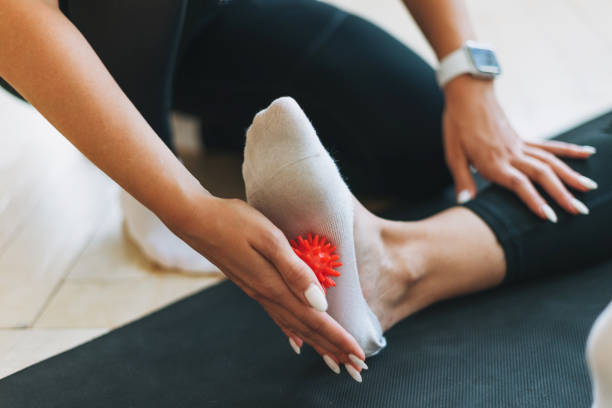
Plantar fasciitis is one of the leading causes of heel pain. It occurs when the plantar fascia, a thick band of tissue connecting the heel to the toes, becomes irritated or overloaded. This condition is prevalent in both athletes and individuals who are on their feet for long periods. It can lead to significant discomfort and even disability if not managed properly. Fortunately, with the right treatment approach, plantar fasciitis can be alleviated, allowing individuals to return to their daily activities without pain.
Symptoms of Plantar Fasciitis
Plantar fasciitis can cause a range of symptoms, varying in intensity depending on the severity of the condition. The most common signs include:
- Sharp heel pain, especially with first steps in the morning: This is often the most noticeable symptom. The pain tends to be more intense with the first few steps of the day, as the plantar fascia tightens overnight.
- Pain after prolonged standing: People with plantar fasciitis may experience discomfort after standing for long periods, as the condition is exacerbated by weight-bearing activities.
- Tenderness under the heel: A tender or sore feeling in the arch of the foot and beneath the heel is common, especially when pressure is applied to the area.
- Tight calf muscles: Calf muscles are often tight in individuals with plantar fasciitis. This tightness can put added strain on the plantar fascia, contributing to further irritation.
Why Plantar Fasciitis Develops
Several factors contribute to the development of plantar fasciitis. Identifying and addressing the underlying causes is essential to effective treatment. Some common causes include:
- Flat feet or high arches: Both flat feet and high arches can alter the mechanics of walking and put undue stress on the plantar fascia. These foot structures can lead to abnormal foot motion, which increases the strain on the tissue.
- Tight calves: Tight calf muscles limit the mobility of the foot and put strain on the plantar fascia. This strain can lead to inflammation and eventually pain.
- Obesity: Being overweight or obese puts excess pressure on the feet, increasing the strain on the plantar fascia, especially with every step you take.
- Prolonged standing: People who stand for long periods, such as teachers, factory workers, and retail employees, are at a higher risk of developing plantar fasciitis. Standing without proper footwear or on hard surfaces can aggravate the condition.
- Unsupportive footwear: Shoes that lack adequate arch support or cushioning can increase the likelihood of developing plantar fasciitis. Footwear that is too flat or lacks shock absorption can lead to strain on the feet.
Physiotherapy Approach
A comprehensive, individualized approach is essential when treating plantar fasciitis. An effective treatment plan focuses on reducing pain, addressing underlying causes, and preventing recurrence. Physiotherapy management commonly includes a combination of the following treatments:
1. Manual therapy and myofascial release
Manual therapy techniques, such as myofascial release, involve the application of pressure to the fascia and muscles to reduce tension and alleviate pain. This treatment can help restore normal movement patterns and improve flexibility.
2. Shockwave therapy
Shockwave therapy involves the application of sound waves to the affected area. These waves stimulate healing by increasing blood flow, reducing pain, and promoting tissue regeneration. It is a highly effective treatment for chronic plantar fasciitis.
3. Progressive loading exercises
Gradually increasing the load on the plantar fascia through controlled exercises helps to strengthen the tissue and promote healing. These exercises are designed to improve strength, flexibility, and endurance, which can help prevent future injuries.
4. Stretching programs
Stretching is essential for treating plantar fasciitis, particularly for the calf muscles, hamstrings, and the plantar fascia itself. Stretching can reduce tension on the foot and lower limb, which can help alleviate pain and prevent further injury.
5. Foot strengthening
Strengthening the muscles in the feet can help improve foot mechanics and reduce strain on the plantar fascia. Specific exercises are designed to target weak areas, improving balance and reducing pain.
6. Advice on shoes and orthotics
Proper footwear is critical for managing plantar fasciitis. Physiotherapists at Brookswood will provide personalized advice on selecting shoes that offer the right support and cushioning. In some cases, custom orthotics may be recommended to correct any foot imbalances and provide additional arch support.
Preventing Future Flare-Ups
Once your plantar fasciitis is healed, prevention is key to avoiding future flare-ups. This involves maintaining a consistent routine of stretches, exercises, and wearing proper footwear. Additionally, be mindful of activities that place stress on the feet and take steps to modify your routine to protect your feet. Regular check-ups with your physical therapist can help ensure that your treatment remains effective over time and that you are on track to prevent any long-term damage.
Long-Term Management of Plantar Fasciitis
The road to full recovery from plantar fasciitis can vary for each individual. It may take several weeks or even months, depending on the severity of the condition. Patience and consistency in following your physical therapy plan are essential to achieving lasting relief. If you continue to experience pain, it’s important to consult with your physical therapist, as adjustments to your treatment plan may be necessary. In rare cases, surgical intervention may be recommended, but this is typically only considered after conservative treatments have been exhausted.
By adhering to a structured treatment and prevention plan, you can live pain-free and continue with your daily activities without the limitations caused by plantar fasciitis.
Conclusion
Plantar fasciitis can be a painful and disruptive condition, but with the right treatment, individuals can find relief and return to an active lifestyle. At Brookswood Plus Physiotherapy, our experienced team is committed to providing comprehensive care tailored to your needs. Through manual therapy, progressive exercises, and proper footwear advice, we can help alleviate your pain and address the underlying causes of plantar fasciitis. If you’re experiencing heel pain, don’t wait. Schedule an appointment with us today to start your journey toward recovery.
FAQs
Q1: How long does plantar fasciitis take to heal?
With physiotherapy, most cases improve within 6–12 weeks. However, the healing time can vary depending on the severity of the condition and how well the patient adheres to the treatment plan.
Q2: Is walking barefoot bad?
Yes, especially on hard floors. Walking barefoot can place excessive strain on the plantar fascia, particularly if the feet are not properly supported. It’s recommended to wear supportive footwear to reduce stress on the feet.
Q3: Can I continue exercising with plantar fasciitis?
It’s important to modify your exercise routine. Low-impact activities like swimming or cycling are often recommended while you heal. High-impact activities like running may need to be avoided until pain subsides. Always consult with a physiotherapist for tailored advice.
Q4: Are there any home remedies for plantar fasciitis?
At-home treatments such as ice application, gentle stretching, and wearing supportive footwear can provide relief. It’s important to avoid excessive standing or walking on hard surfaces.
Q5: Can plantar fasciitis come back after treatment?
While proper treatment significantly reduces the risk of recurrence, plantar fasciitis can return if the underlying causes are not addressed. For example, poor footwear, improper walking mechanics, or obesity may lead to a flare-up. Ongoing foot care and maintenance exercises can help prevent this.