Orthopedic Physiotherapy in Brookswood, Langley
Orthopedic physiotherapy is a specialty of physiotherapy that focuses on the musculoskeletal system: the bones, joints, muscles, tendons, ligaments and the nerves that supply them. It helps restore movement, reduce pain and rebuild function after an injury, surgery or a long-standing problem.
One-on-one care at 4041 200 St for patients from Brookswood, Fernridge, Campbell Valley and Murrayville.
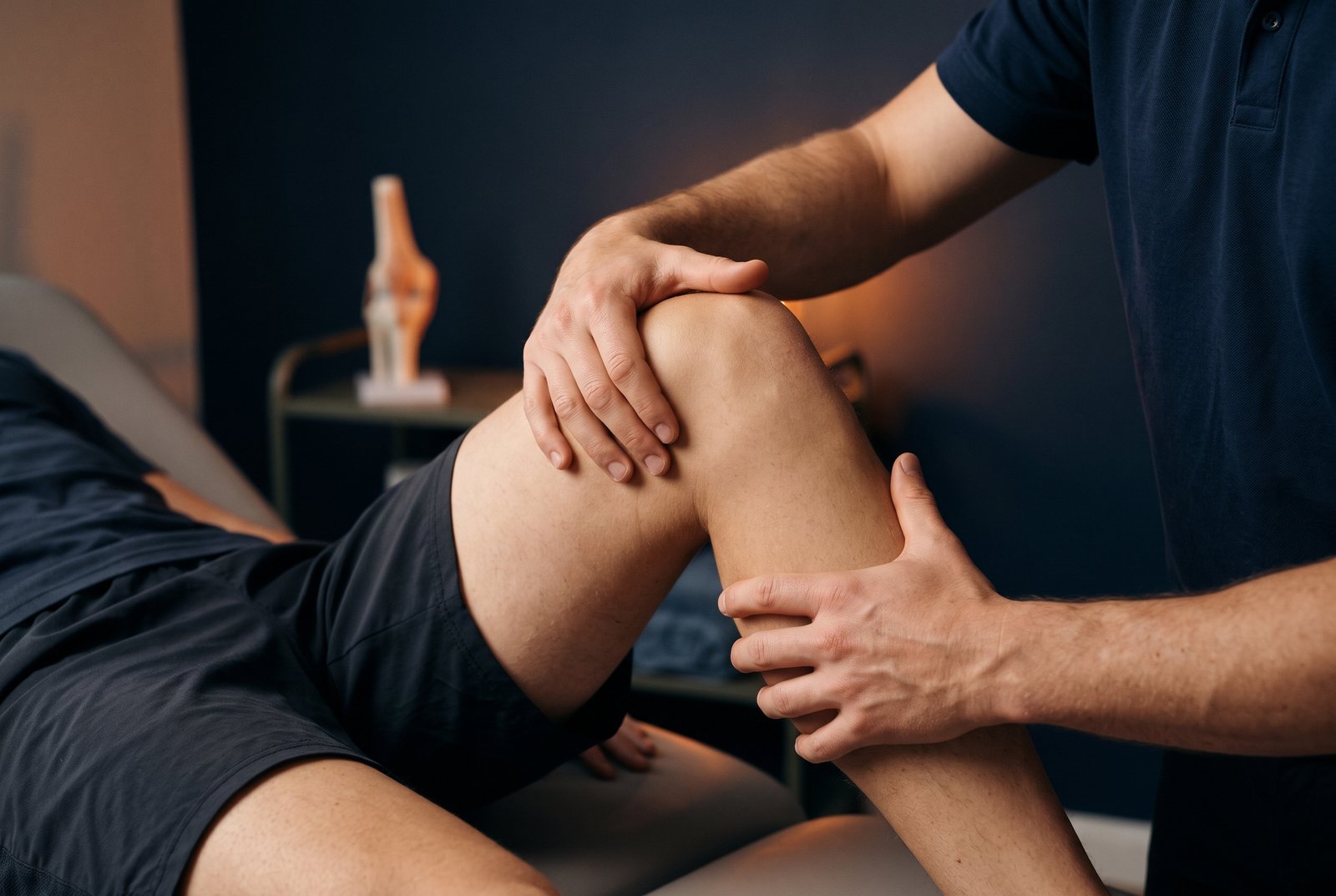
When should you see an orthopedic physiotherapist?
You should see one when joint, muscle or tendon pain limits how you move, work or exercise, or when you are recovering from surgery.
Which musculoskeletal conditions do we treat?
We treat acute injuries, chronic conditions and post-surgical recovery across the spine, shoulder, elbow, wrist, hip, knee, ankle and foot.
Acute injuries
Damage from a sudden event, in the early healing stage.
- Sprains and strains
- Ankle sprains
- Neck injuries and whiplash
- Sudden low back pain and spasm
- Ligament and meniscus injuries
Chronic and overuse conditions
Pain that lasts beyond normal healing time or keeps returning.
- Low back pain and sciatica
- Neck pain
- Rotator cuff and frozen shoulder
- Tennis elbow and tendinopathy
- Carpal tunnel syndrome
- Hip pain and bursitis
- Osteoarthritis and arthritis
- Plantar fasciitis and TMJ
Post-surgical recovery
Restoring movement and strength after an operation, following your surgeon's protocol.
- Hip and knee replacement
- Arthroscopic procedures
- Rotator cuff repair and shoulder surgery
- Foot and ankle surgery
- Spinal surgery
More conditions our physiotherapist treats
Including, but not limited to:
- Soft tissue injuries
- Neck strain
- Shoulder pain
- Rotator cuff injuries
- Frozen shoulder
- Tennis elbow and golfer's elbow
- Hand and wrist pain
- Thoracic (mid-back) pain
- Low back pain
- Hip dysfunction
- Knee pain
- Ankle pain
- Arthritis
- Postural dysfunction retraining
- Motor vehicle accident injuries (ICBC)
- Work-related injuries (WorkSafeBC claims)
How does an orthopedic physiotherapy assessment work?
An assessment identifies the source of your pain by testing movement, strength, joint mobility and function.
Bring your ICBC or WorkSafeBC claim number, insurance details and, after surgery, your surgeon's discharge instructions.
What treatments does orthopedic physiotherapy include?
Hands-on manual therapy, needling, therapeutic modalities and progressive exercise, matched to your diagnosis.
Manual therapy and joint mobilization
Skilled hands-on treatment that restores joint motion and reduces muscle tension.
IMS and dry needling
Fine needles are used to release tight, shortened muscles that contribute to pain.
Shockwave therapy
Acoustic waves are used to help stubborn tendon and soft tissue conditions settle.
Cold laser therapy
Low-level light is used to help ease pain and inflammation and support tissue repair.
Active rehabilitation
A guided, progressive exercise program that rebuilds strength, movement and function.
How do acute, chronic and post-surgical recovery compare?
Each type of problem needs a different focus, pace and mix of treatments. Swipe sideways to see the full table on a phone.
| Acute injury | Chronic condition | Post-surgical recovery | |
|---|---|---|---|
| What it is | Recent injury from a sudden event | Pain beyond normal healing, or recurring | Rehab after joint or soft tissue surgery |
| Main goal | Settle pain, protect healing tissue, restore motion | Reduce pain, correct movement problems, rebuild capacity | Restore motion and strength safely |
| Common treatments | Gentle manual therapy, early movement, cold laser | Manual therapy, IMS or dry needling, shockwave, exercise | Surgeon-guided exercise, mobilization, strengthening |
| Pace | Progresses as pain settles | Gradual, with a long-term plan | Follows your surgeon's protocol |
| Best for | Sprains, strains, whiplash | Back and neck pain, tendinopathy, arthritis | Hip, knee and shoulder surgery |
What does recovery look like?
Recovery usually moves through four stages, and your plan is adjusted as you progress.
When should you get urgent medical care instead?
Some symptoms need a doctor or emergency care before physiotherapy.
- Loss of bladder or bowel control, or numbness in the groin or saddle area
- Sudden, severe weakness in an arm or leg
- Chest pain or shortness of breath
- A joint that is hot, red and swollen with fever
- Severe trauma or a suspected fracture
If you are unsure, call us and we will advise you on the next step.
How does billing work?
We bill ICBC, WorkSafeBC and most extended health plans directly for approved claims.
Where is our orthopedic physiotherapy clinic?
4041 200 St, Langley, BC V3A 1K8
Corner of 200 St and 40 Ave
- One-minute walk to Shoppers Drug Mart Brookswood, Brookswood Park and Brookswood Veterinary Hospital
- Free parking and wheelchair accessible
- Serving Brookswood, Langley, Fernridge, Campbell Valley and Murrayville
Hours
Orthopedic physiotherapy FAQ
What is orthopedic physiotherapy?
A specialty of physiotherapy that treats the musculoskeletal system: bones, joints, muscles, tendons, ligaments and the nerves that supply them. Treatment combines hands-on therapy, exercise and education to restore movement and reduce pain.
Do I need a doctor's referral?
No. A doctor's referral is not required to book. Some extended health plans ask for one for reimbursement.
What are musculoskeletal injuries?
Injuries to the bones, joints, muscles, tendons, ligaments or nearby nerves. Many involve more than one of these structures. A sprained ankle, for example, can affect ligaments and the muscles around them.
What is the difference between an acute and a chronic injury?
An acute injury comes from a recent, sudden event. A chronic condition lasts beyond normal healing time, usually longer than about three months, or keeps returning.
How does an orthopedic physiotherapist help with pain?
By finding what is driving the pain and treating that source. Depending on your diagnosis, this may include manual therapy for stiff joints and tight muscles, targeted exercise, posture and movement coaching, and treatments such as IMS or shockwave. You also get a home program to keep your progress between visits.
Can physiotherapy help with arthritis?
Physiotherapy cannot reverse arthritis, but it can help you manage joint pain and stiffness. Treatment usually combines joint mobilization, strengthening, flexibility work and advice on pacing your activity, so arthritis limits you less in daily life.
Can older adults benefit from orthopedic physiotherapy?
Yes. Physiotherapy can help older adults keep their mobility, build strength and improve balance, which supports independence and may lower the risk of falls. Exercises are adjusted to your health, comfort and goals.
Can physiotherapy help me return to sport after an injury?
Yes. We assess your strength, movement control and endurance, then build a progressive plan using resistance training and sport-specific drills. When you return to play depends on how the injury is healing and how you perform in movement testing.
Can I see a physiotherapist before surgery?
Yes. Physiotherapy before surgery can improve your strength and movement and teach you the exercises you will use afterward, so you start recovery from a stronger base.
When should I start physiotherapy after surgery?
Start when your surgeon clears you, and follow their protocol. We build on your surgeon's instructions.
What are the benefits of physiotherapy after orthopedic surgery?
Rehabilitation helps restore range of motion and strength, manage pain and swelling, and get you back to daily activities, working within your surgeon's protocol. Common examples are hip, knee, shoulder and ankle procedures.
How long is a session, and how many will I need?
Sessions usually last 30 to 60 minutes. The number depends on your diagnosis, and your physiotherapist sets out a plan after your assessment.