Winter Joint Pain in Brookswood and How Physiotherapy Can Help
Cold mornings can make getting out of bed, walking the dog or climbing stairs feel harder when your joints are sore. A practical movement plan can help you stay active.
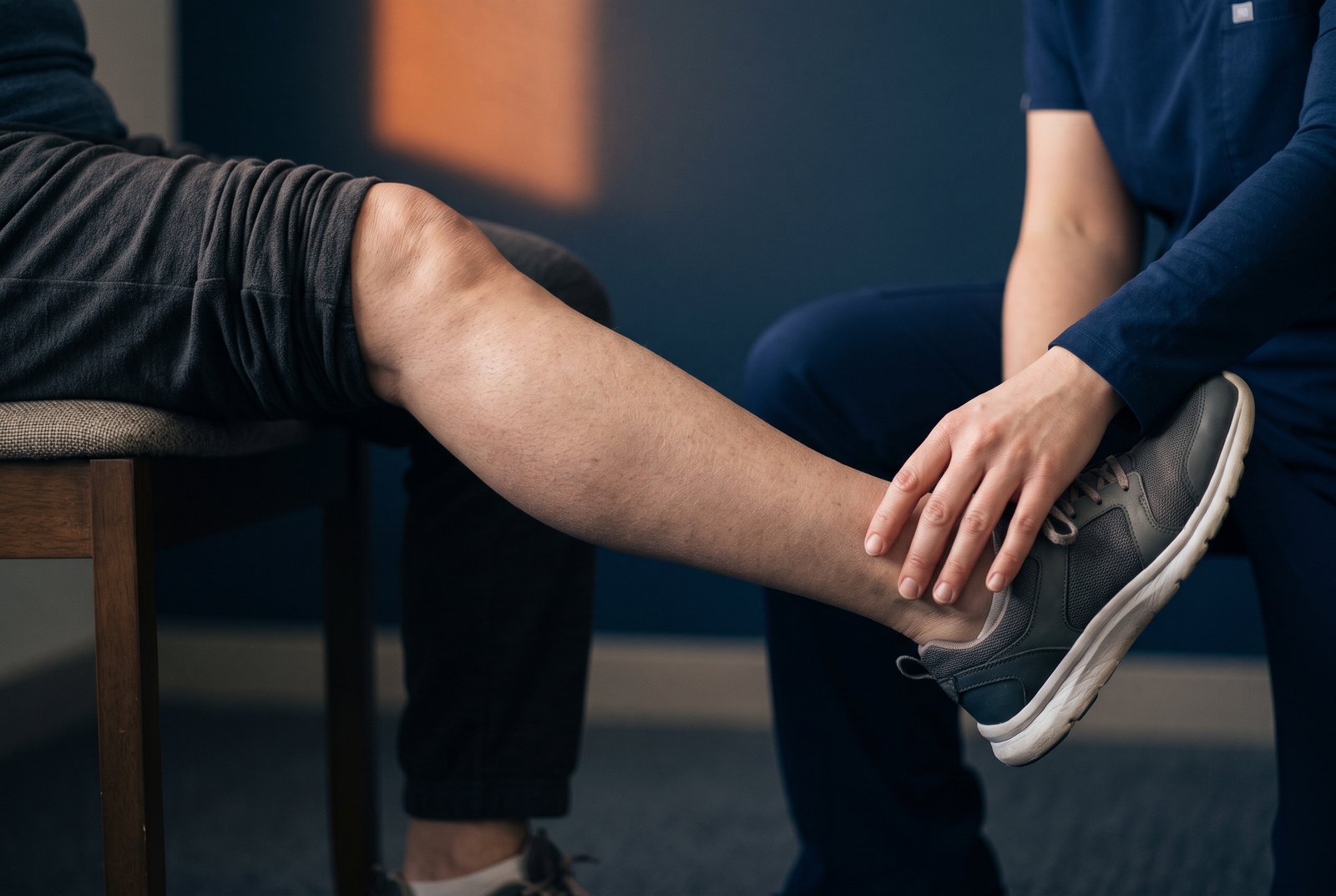
Cold mornings can make getting out of bed, walking the dog or climbing stairs feel harder when your joints are sore. If your knees, hips, hands or shoulders seem stiffer during winter in Brookswood, a practical movement plan can help you stay active. Physiotherapy focuses on understanding your symptoms and improving daily function, rather than simply waiting for warmer weather.
At Brookswood Plus Physiotherapy in Langley, we can assess joint pain and help you choose suitable exercises and activity changes. This guide explains winter symptoms, safe starting exercises, laser and taping considerations, and direct billing for extended health benefits.
Why joint pain may feel worse in winter
Many people notice a connection between cold or damp weather and discomfort, but research has not established a simple cause-and-effect relationship. Studies disagree, and weather changes do not affect everyone in the same way. A large 2024 review found no clear association between several weather factors and common musculoskeletal pain flares. That does not make your symptoms less real. [1]
Winter also changes routines. You may spend more time sitting, walk less often or tense your muscles when you feel cold. Reduced movement can make stiffness more noticeable. Slippery paths, hurried steps and unfamiliar activities such as shovelling may add strain or lead to injury. Sleep, stress, an existing joint condition and recent activity can also influence how pain feels.
Cold weather alone is not evidence that arthritis is progressing or cartilage is being damaged. New swelling, severe pain or a loss of function should be assessed rather than automatically blamed on the season.
Which ages and genders are affected more?
Joint pain can affect people of any age or gender, and the pattern depends on its cause. For osteoarthritis, a common cause of ongoing joint pain, older adults and women are affected more often. The World Health Organization reports that about 73% of people living with osteoarthritis worldwide are older than 55, and about 60% are female. These figures describe the people who have osteoarthritis, not the percentage of all older adults or women who develop it. [8]
Osteoarthritis can also affect younger adults, particularly following a joint injury or repeated joint stress. It is not an inevitable part of ageing. [8]
These age and sex statistics do not establish who is most sensitive to winter weather. There is no clear, reliable basis here for ranking winter joint-pain susceptibility by age or gender. A person's diagnosis, previous injuries, activity and individual symptoms are more useful guides to care than age or gender alone. [1,8]
How physiotherapy can help in Brookswood
Your physiotherapist will ask about the painful joints, symptoms over time, previous injuries, medical conditions and activities you want to manage more comfortably. Assessment may include movement, strength, walking and balance. The aim is to identify a useful treatment plan and recognize when medical review is needed.
Depending on your findings, care may include strengthening, gentle mobility, gradual aerobic activity, pacing and advice about work or home tasks. Hands-on treatment may be considered to help you move more comfortably, alongside active rehabilitation. For osteoarthritis, exercise is a central treatment, adapted to your ability and goals. [2]
Progress can be measured through everyday changes: standing up more easily, managing stairs, walking farther or tolerating work better. Your plan should be adjusted if it is not helping.
A gentle indoor exercise routine for winter
These are general starting options for adults with stable symptoms, not a prescription for every joint condition. Choose comfortable movements rather than doing every exercise. Ask for individual advice after a recent injury or operation, with a hot swollen joint, significant balance problems or medical restrictions.
Warm up with two to five minutes of easy indoor walking or seated marching. Mild, tolerable discomfort may occur with exercise, but sharp pain, increasing swelling or a limp means you should stop or reduce the activity. If symptoms remain noticeably worse the next morning, reduce repetitions or range and discuss the response with your physiotherapist. [2,3]
Seated knee movement
Sit on a stable chair with your feet supported. Slowly straighten one knee as far as comfortable, then lower the foot. Begin with five to ten repetitions per side, once daily. Avoid forcing a stiff knee fully straight. Use a smaller movement if needed.
Sit to stand
Use a firm chair that will not slide, preferably placed against a wall. With feet about hip-width apart, lean forward and stand, then sit down slowly. Use the armrests or your hands if necessary. Start with one set of five repetitions on two or three nonconsecutive days each week. Progress toward eight to ten comfortable repetitions before adding another set. A higher seat can make this easier. [3]
Supported heel raises
Hold a sturdy counter. Raise both heels slowly, then lower with control. Start with one set of five to ten repetitions on two or three nonconsecutive days each week. If standing is uncomfortable or balance is uncertain, try lifting the heels while seated instead. Do not practise unsupported on slippery flooring. [3]
Shoulder table slides
Sit facing a table and rest your hands on a towel. Slide them forward within a comfortable range, allowing your trunk to lean slightly, then return. Try five to ten repetitions daily. Keep the movement gentle and stop if it produces sharp shoulder pain. Do not force overhead movement.
Hand opening and closing
Gently open your fingers, then make a relaxed fist without squeezing hard. Repeat five to ten times, once or twice daily. Reduce the range during a flare and avoid repeatedly forcing painful finger joints.
Add short indoor walks, starting with five to ten minutes if comfortable. Several short sessions may be easier than one long walk. Increase gradually according to your symptoms and fitness, rather than trying to catch up after an inactive week.
Laser therapy for joint pain
Therapeutic laser uses light as a treatment modality. Brookswood Plus Physiotherapy lists laser among its services, but whether it is appropriate depends on the condition and assessment. It should not be presented as a way to reverse arthritis, regrow cartilage or guarantee relief. [4]
Evidence varies by condition, device and treatment protocol. For osteoarthritis specifically, NICE advises against offering laser therapy because there is insufficient evidence of benefit. Exercise and education should therefore remain the foundation of an osteoarthritis plan. [2]
If laser is discussed for another musculoskeletal problem, ask what benefit is expected, how it will be measured, what it costs and when to stop if it is not helping. A trained clinician should screen for precautions and use suitable eye protection. Your rehabilitation should not depend on a passive treatment alone.
How taping may help
Taping may provide temporary support or a movement cue for selected problems, helping some people feel more comfortable during activity. It does not permanently realign joints or cure arthritis. Benefits depend on the condition, application and individual response.
For osteoarthritis, taping is not recommended routinely. A clinician may consider it when instability or abnormal loading is a problem and an aid is needed to make exercise more useful. [2]
Ask for guidance on application and removal. Avoid broken or irritated skin, and mention adhesive allergies. Remove tape promptly if it causes itching, blistering, increased pain, swelling, numbness or colour change. Do not use it to push through worsening symptoms or replace strengthening.
Everyday ways to stay comfortable during a Brookswood winter
Dress in layers and keep moving regularly rather than remaining in one position for long periods. Try brief walking or movement breaks between desk tasks. Warm up indoors before heading out, choose shoes with suitable grip and use a handrail where available. On icy days, an indoor alternative is sensible.
Gentle warmth may ease stiffness temporarily. Protect your skin, avoid excessive heat and do not sleep on a heating pad. If sensation or circulation is reduced, get advice before using heat. A newly hot, swollen joint needs assessment, not extra heat and a harder workout.
For lifting or shovelling, use manageable loads and take breaks. If a task repeatedly causes a flare, a physiotherapist can help adjust the movement or workload.
Strategies to reduce winter joint pain and prevent avoidable injuries
No routine can guarantee a pain-free winter or prevent every arthritis flare. The aim is to keep joints moving, maintain strength and reduce avoidable strain and falls. Try this practical plan alongside the exercises above.
Keep a steady movement routine
Plan a comfortable walk or other low-impact activity most days, with an indoor option for icy weather. Break up long sitting periods with brief movement. Consistency is more useful than doing very little all week and then one demanding workout. Build duration gradually rather than increasing time and intensity together. [2]
Maintain strength and balance
Use the gentle strengthening routine above on two or three nonconsecutive days, adjusted to your ability. If you feel unsteady or have fallen, ask for a tailored strength and balance programme rather than practising challenging balance tasks alone. Strength and balance training can help reduce fall risk. [3,9]
Warm up and pace winter tasks
Begin with a few minutes of easy movement before walking outdoors, exercising or doing chores. Split heavier tasks into shorter sessions and take breaks before fatigue changes how you move. Alternate demanding jobs with easier ones instead of pushing through a flare.
Make walking and home spaces safer
Choose secure, supportive footwear with suitable grip. Use well-lit, cleared routes and handrails; choose indoor activity when paths are unsafe. Keep entrances dry and remove loose rugs or clutter that could trip you. Have a walking aid assessed for fit if you need one. These steps reduce injury risks rather than changing the weather's effect on arthritis. [9]
Have a plan for a familiar flare
Temporarily shorten an aggravating activity, reduce exercise repetitions or use a gentler range of movement. Keep comfortable movement where possible and rebuild gradually as symptoms settle. If pain remains worse the next morning, adjust the workload. Seek advice if a flare is unusual, persistent or repeatedly interrupts daily life; follow the urgent warning signs below for new severe symptoms.
Consider weight support when relevant to you
For people with osteoarthritis who are living with overweight or obesity, supported weight management can reduce pain and improve function. If this is a goal you want to pursue, discuss a realistic approach with your clinician. Joint pain has many contributors, and useful exercise and care should be available at every body size. [2]
When joint pain needs medical attention
Seek urgent same-day medical care for a suddenly hot, swollen or very painful joint, especially if you feel unwell or have fever or chills. Joint infection can occur without a fever. Do not wait for a routine physiotherapy visit. [5]
Go to an emergency department after an injury if pain is severe, a joint looks deformed, you cannot bear weight, or there is new numbness around the injury. Arrange medical review for persistent swelling, unexplained weight loss, worsening night pain, or prolonged morning stiffness affecting several joints. These symptoms should not simply be attributed to winter. [5]
Direct billing for extended health benefits
Brookswood Plus Physiotherapy offers direct billing to many extended health insurance providers. Availability depends on your insurer and individual plan. Bring your insurance details and ask the clinic to confirm whether direct billing is available before your visit. [4]
Check your physiotherapy allowance, reimbursement percentage, per-visit limits, deductible and whether your plan requires a referral. Direct billing does not guarantee full coverage: you remain responsible for any uncovered amount, and sometimes you may need to pay and submit a receipt yourself.
Ask whether laser or other treatment charges are included in the appointment fee and eligible under your benefits. Plan rules and renewal dates vary, so check your own coverage rather than assuming every plan resets in January. Treatment frequency should follow clinical need, not simply the amount of benefits remaining.
Frequently asked questions
Does cold weather cause arthritis?
Cold weather is not established as a cause of arthritis. Some people notice seasonal symptoms, but weather research is mixed. Assessment is useful when pain is new, persistent or changing. [1]
Should I rest completely when my joints feel stiff?
Usually, prolonged inactivity is not helpful for stable joint symptoms. Reduce an aggravating activity and try comfortable movement instead. A suspected injury or hot swollen joint requires assessment before exercising. [2,5]
Which exercises are best for winter joint pain?
The best choices depend on the painful joint and your health. Mobility, strengthening and low-impact aerobic activity are common components. Start gently and have your programme adapted if symptoms worsen.
Will laser therapy cure arthritis?
No. Laser has not been shown to cure arthritis or restore lost cartilage. Evidence is uncertain, and NICE does not recommend laser for osteoarthritis. Ask about the evidence for your particular condition. [2]
Can I use tape every day?
Not automatically. Your clinician can advise whether taping is useful and how long to wear it. Skin tolerance and circulation matter. Remove it if adverse symptoms occur, and keep active rehabilitation central to your plan.
Do I need a referral and can you bill my insurance directly?
You can book physiotherapy directly, but some extended health plans require a referral for reimbursement. Direct billing is available for many plans, subject to eligibility. Confirm the details with your insurer and our reception team. [4]
Physiotherapy for winter joint pain in Brookswood Langley
If joint pain is limiting your winter routine, book an assessment at Brookswood Plus Physiotherapy. We can help you understand your symptoms and build a manageable plan for movement and daily activity.
Visit us at 4041 200 Street, Langley. Call 236-325-0660 or book online at plusphysio.janeapp.com. Ask about direct billing when booking. [6]
This article is general education and does not replace an individual assessment.
Sources and clinical references
- Ferreira and colleagues. Weather and musculoskeletal pain review, 2024.
- NICE NG226. Osteoarthritis recommendations, including exercise, laser and devices.
- NHS. Strength exercises, including sit to stand and calf raises. Starting doses in this article are conservative examples, not a universal prescription.
- Brookswood Plus Physiotherapy. Clinic FAQs, services and direct billing information.
- NHS. Joint pain symptoms and urgent warning signs.
- Brookswood Plus Physiotherapy. Contact and booking information.
- NHS. Septic arthritis, including possible absence of fever.
- World Health Organization. Osteoarthritis: age and sex patterns, risk factors and management.
- Public Health Agency of Canada. Preventing falls and injuries for older adults.
0 Comments